
ジオパークは
「大地の公園」
目の前にある風景は、どのようにしてできたのでしょう?
当たり前に見ている山や丘、海岸など、大地のかたちは、実は何万年何億年という長い時間をかけてつくられたものです。
豊かな森や動物、私たちの暮らしも、その中で育まれてきました。そこには様々な「大地のものがたり」が隠れています。
生きている地球と
生命とのつながりを
楽しく学べる貴重な場所
それが「ジオパーク」です
AREA
日本の北部、北海道に位置し、支笏洞爺国立公園の一部を含む約1064km2の面積があり、太平洋に面しています。

Japan in 8K
Toya-Usu UNESCO Global Geopark
【YouTube】2020年公開
驚異の8K映像で洞爺湖有珠山ジオパークを体感!
映像制作:株式会社Armadas
Youtube Channel
Website
変動する大地
洞爺湖誕生からの主な火山活動
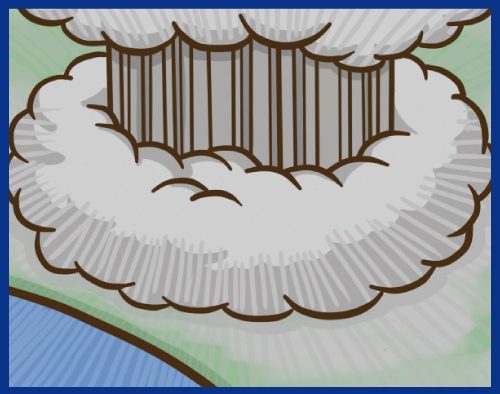
約11万年前 大噴火
巨大火砕流発生 洞爺カルデラが誕生

洞爺湖ができた
長い年月をかけて水がたまった
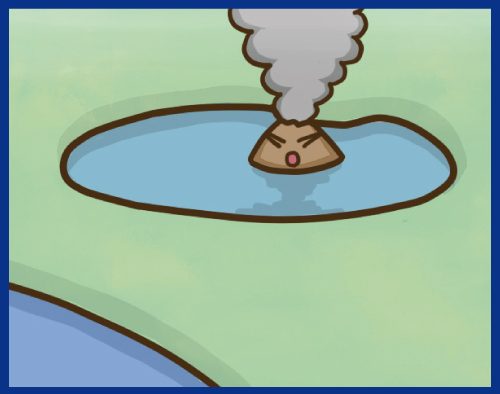
約4万5千年前 中島誕生
湖の中央でくり返し噴火があった
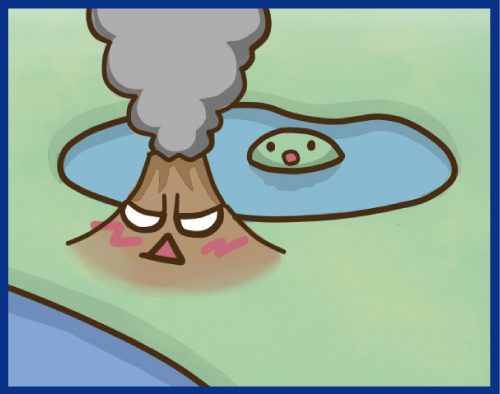
約2~1万年前 有珠山誕生
何度も噴火して有珠山ができた
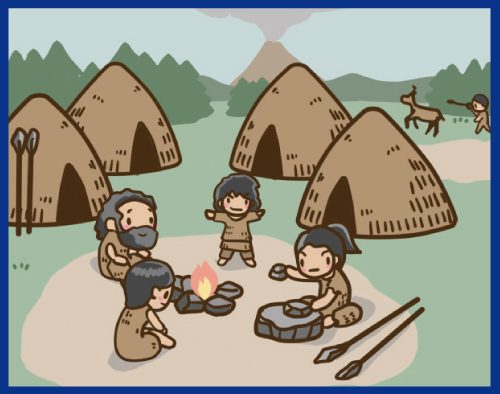
約1万年前 洞爺湖周辺に人が
石器を使っていた
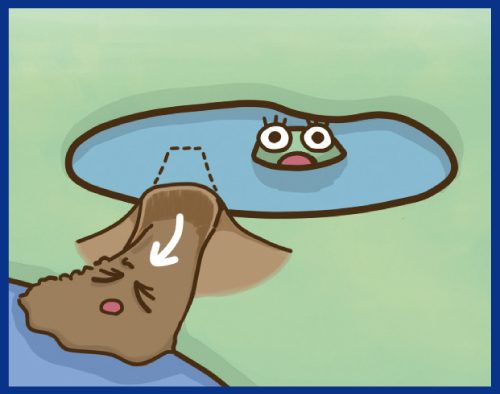
約8千年前 岩せつなだれ
有珠山がくずれて海に流れ込んだ
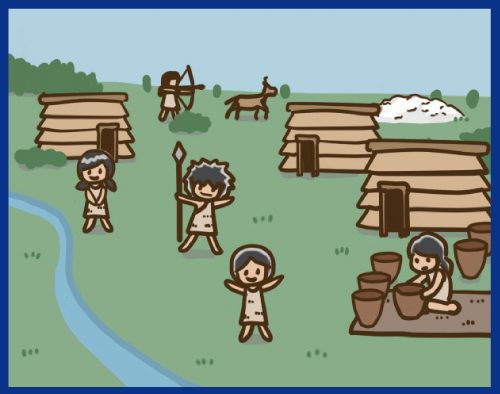
縄文文化が栄える
ムラや貝塚が作られた
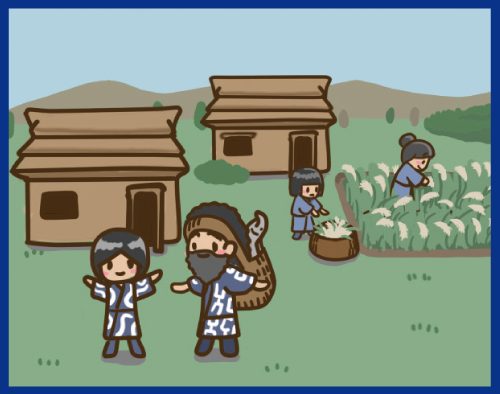
アイヌ文化が栄える
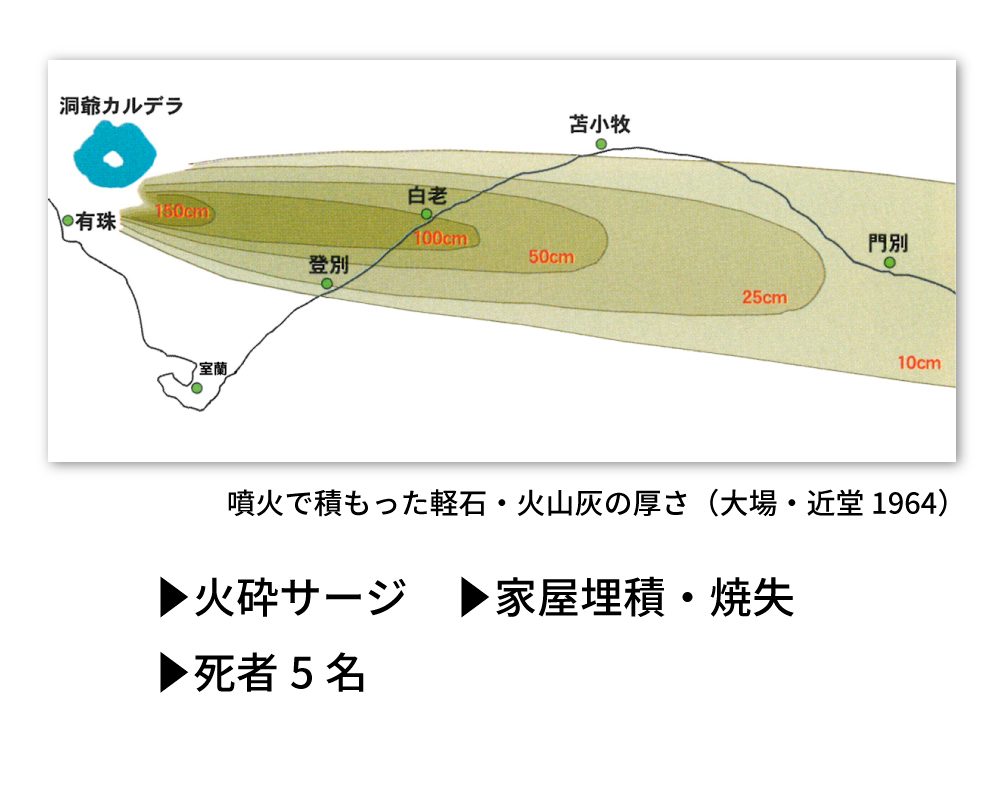
1663年 山頂噴火
有珠山が長い眠りから覚め噴火

17世紀末 古文書記録がない噴火
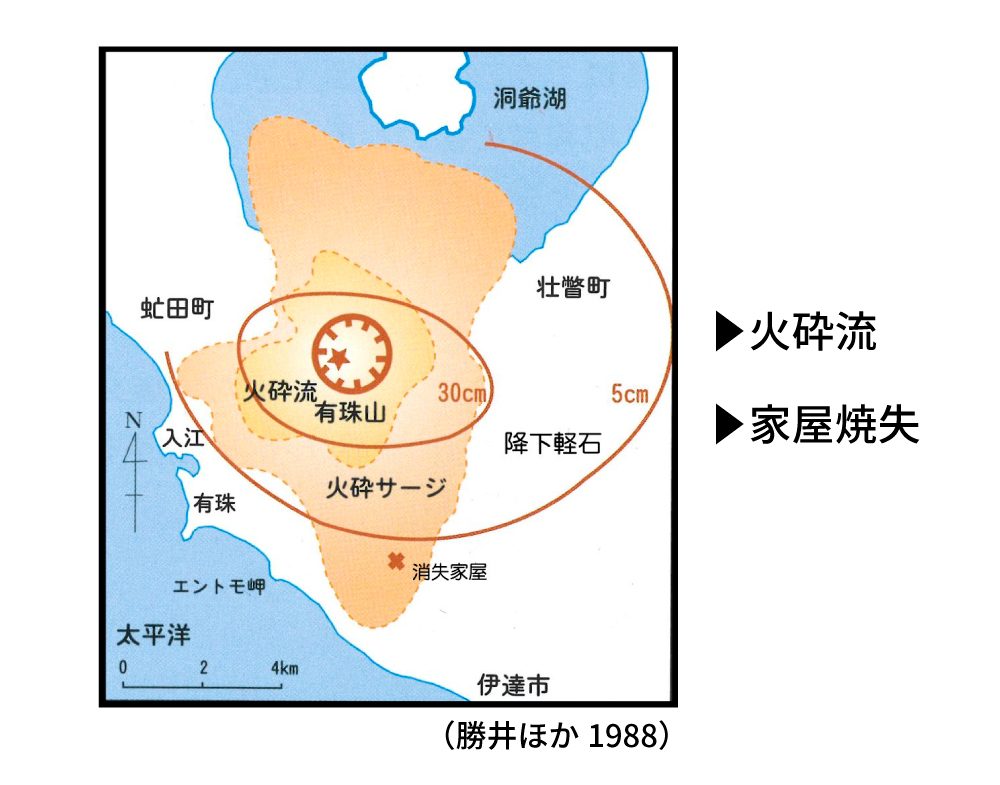
1769年 山頂噴火
オガリ山の誕生
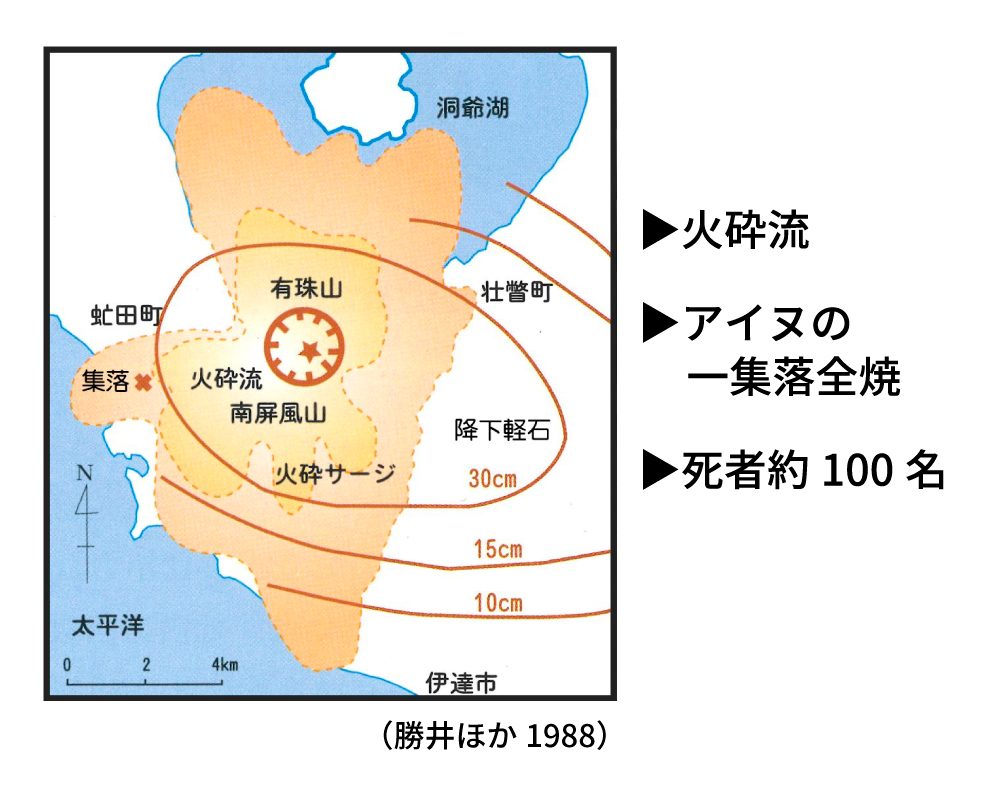
1822年 山頂噴火
小有珠の誕生
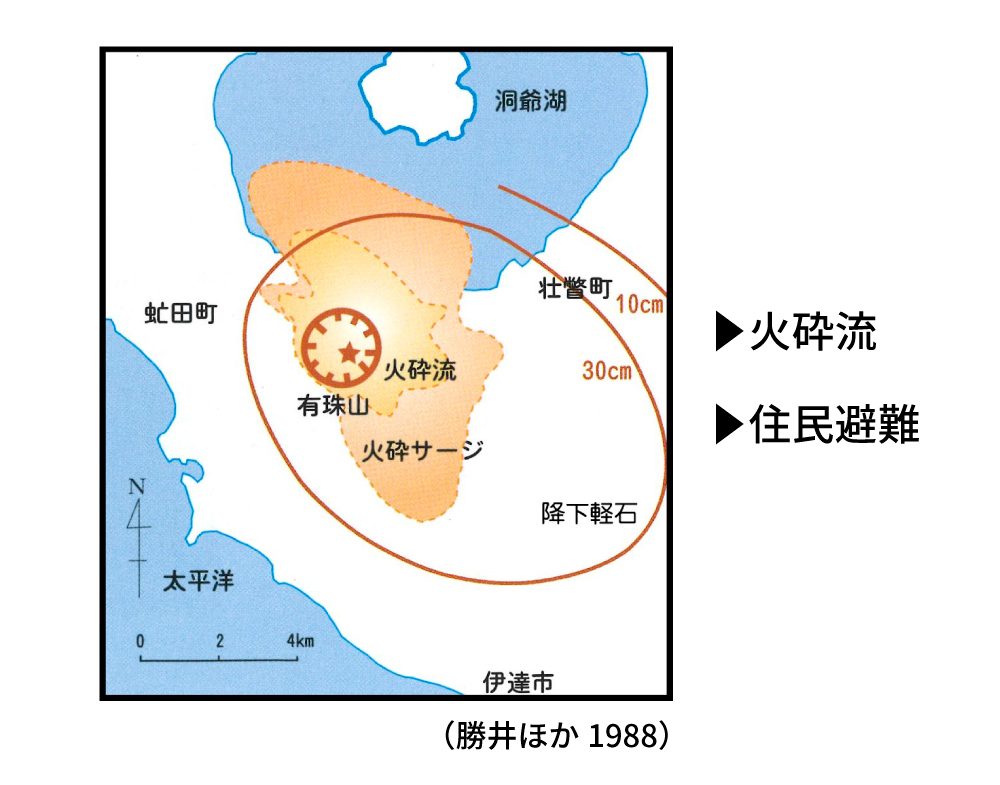
1853年 山頂噴火
大有珠の誕生
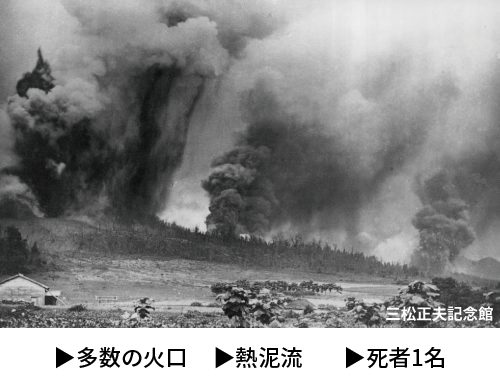
1910年 山麓噴火
明治新山(四十三山)の誕生
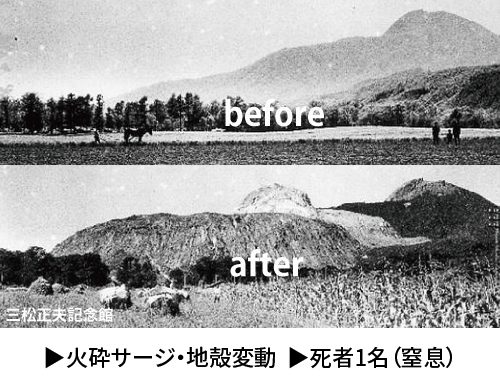
1943-45年 山麓噴火
昭和新山の誕生
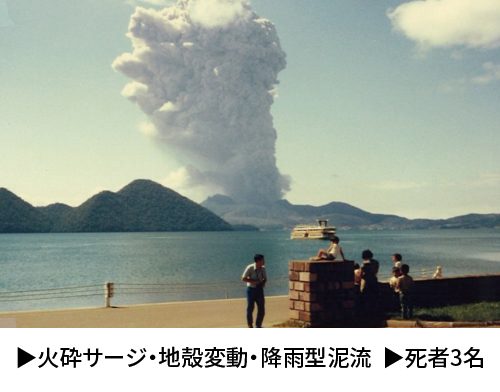
1977-78年 山頂噴火
有珠新山の誕生
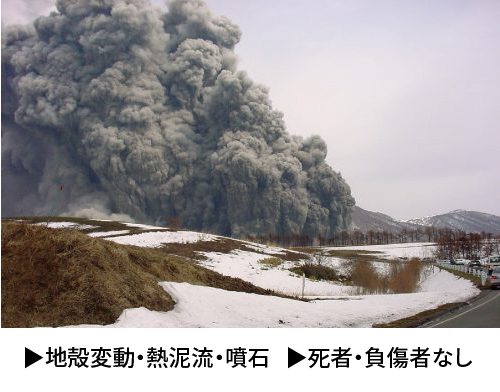
2000年 山麓噴火
西山山麓・金比羅山付近に多数の火口
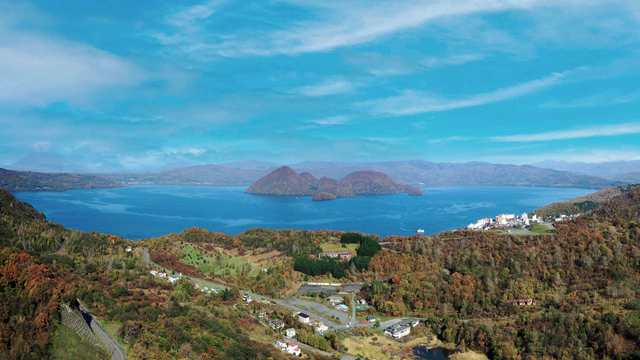
洞爺湖
洞爺湖は周囲を壁に囲まれ、まるで大きな鍋のような独特の景色が広がっています。今から約11万年前に起こった巨大な噴火の跡にできた窪地に水が溜まってできた湖です。このようにしてできた湖を「カルデラ湖」と言います。
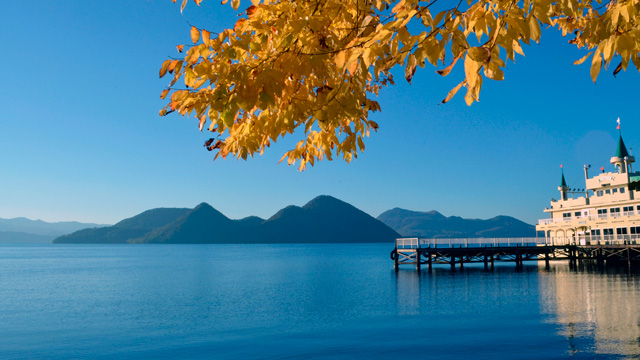
中島
洞爺湖の中央部には中島という無人島があります。この中島も約5万年前に繰り返し起こった噴火によってできた地形です。地下から押し出された溶岩が固まってできた山で「溶岩ドーム」とよばれるものです。
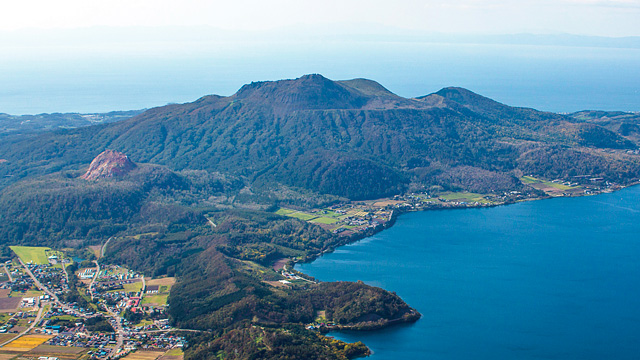
有珠山
洞爺湖の南側には有珠山があります。今まさに活動している火山で、噴気が立ち上り、むき出しの岩や荒々しい噴火の跡から火山の迫力を感じられます。
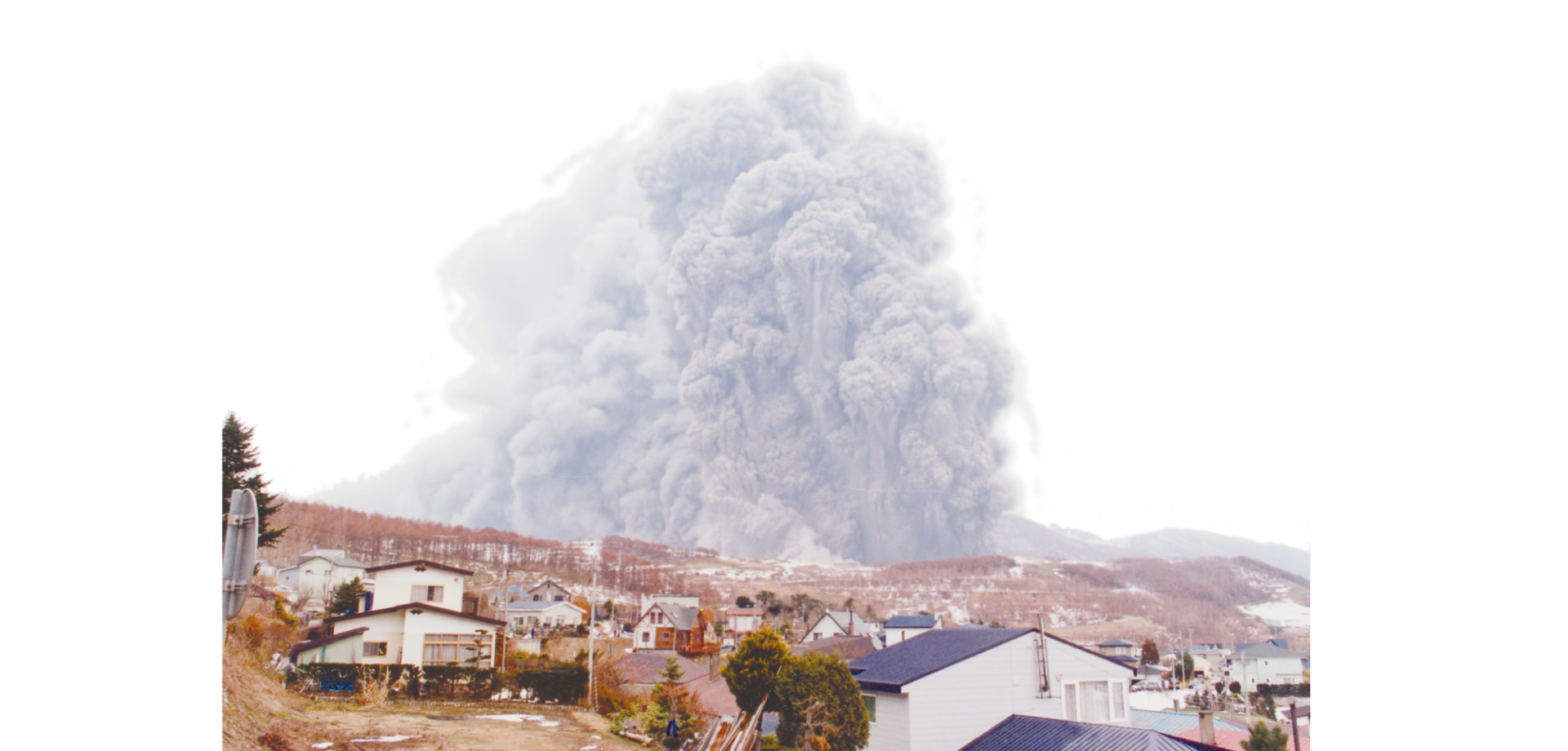
2000年有珠山噴火
2000年の噴火は山麓で発生しました。
国道や住宅のある場所でしたが 、噴火の兆候をいち早く捉えたことで住民の事前避難が成功し、
噴火による直接的な犠牲者はいませんでした。
有珠山は…
1663年以降、明らかになっているだけで9回、20世紀だけでも4回(1910年、1944-45年、1977-78年、2000年)の噴火を起こしました。ですから、有珠山の山頂付近や麓では、くり返される噴火によってできた多くの噴火口を見ることができます。
洞爺湖有珠山ジオパークの最大の特徴は…
人々がこの活火山のすぐ近くで暮らし続けてきたということです。時には町の中に火口や断層ができ、新しい山が誕生したこともありました。過去の噴火は様々な災害をひきおこし、人々の暮らしに影響を与えてきました。この災害の記憶を風化させないために、噴火による被害を受けた建物や道路などを丸ごと「災害遺構」として保全し、見学できる散策路にしています。
…でも、なぜ火山の噴火が起こる場所で人々は暮らし続けているのでしょう?

有珠山の麓には湧水の出る場所が多く、約1万年前から人が暮らしていたことが考古学の研究で明らかになっています。また洞爺湖周辺の火山灰によってできた平らな台地は日当たりの良い良好な耕作地帯や果樹園として利用されてきました。
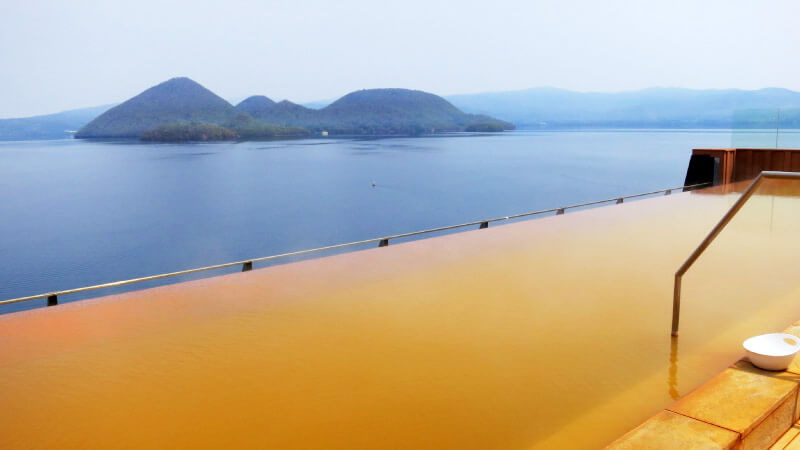
洞爺湖の南岸、有珠山北西麓にある洞爺湖温泉・壮瞥温泉は1910 年の噴火がもととなり、温泉水が湧出し誕生しました。温泉は洞爺湖有珠山ジオパークの「火山の恵み」の代名詞として象徴的なテーマであり、エリア内には他にも数多くの湯処があります。
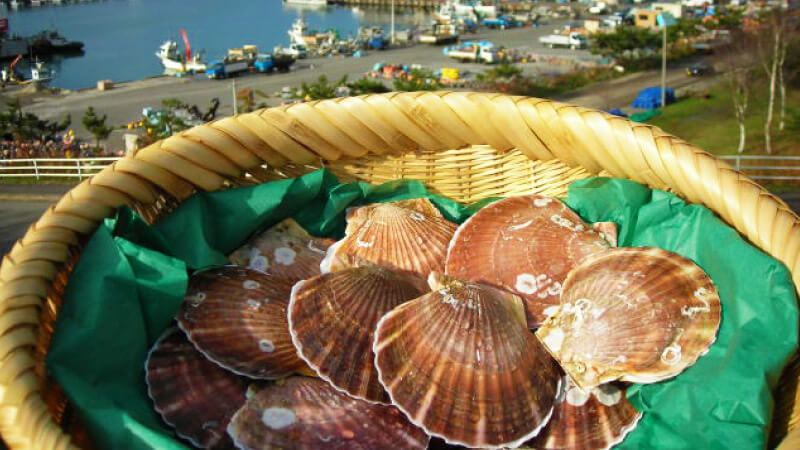
海の生き物と火山も関係があります。約8千年前に起こった、有珠山の山崩れ【岩屑(がんせつ)なだれ】は海まで達し、海岸を入り組んだ地形にしました。岩の隙間は貝やカニ、タコ等、海の生き物にとって格好の住みかになっています。これもまた火山の恵みです。

火山から様々な恵みを得られることが
人々がここで暮らしている理由です。
この地域では、今後も火山との共生を考え続けていかなくてはなりません。これからも人が暮らし続けていくためには、噴火災害への備えが必要です。火山をよく知り、自然災害や防災について語れるガイドが案内するツアーは、この地域の大きな特徴であり、ユネスコ世界ジオパークとして評価を受けているポイントです。



火山が作った景色を楽しみ、おいしい火山の恵みを食べ、温泉に浸かって私達が暮らす地球そのものに思いをはせる。
それが洞爺湖有珠山ジオパークの楽しみ方です。